Reviews

2025 Green Earth Book Award Recommended Reading
Greg Pattridge, Always in the Middle
“Author Carla Mooney explores what could be a droll, boring topic for kids and makes it into a fascinating journey about what we grow and eat. THE SCIENCE OF SEEDS: Why we eat Maize, Wheat, Rice, and Potatoes is a fantastic learning tool. Great for home use or in science classes.”
Praise for The Physics of Fun by Carla Mooney
Booklist Series Nonfiction Showcase
“One of the best ways to get kids excited about STEM is to show them how every aspect of daily life is intrinsically connected to science and technology. The reliable Inquire and Investigate series takes on this task by offering titles brimming with information...”
Praise for The Chemistry of Food by Carla Mooney
PSLA Literature Review
"A fun introduction to cooking and food investigation for middle grade students. The book can easily be adapted for classroom use or specific project research.
Praise for The Human Genome by Carla Mooney
National Science Teachers Association Recommends
“A completely engaging narrative connecting cells, tissues, organs, and body systems to diverse fields beyond biology ranging from physics to energy transfer.
Detailed Book Description
What's on your dinner table?
You probably have some form of maize, wheat, rice, and potatoes on your plate! From London to Lagos to Los Angeles, these staple foods dominate our breakfast bowls, lunch boxes, and dinner tables. In today’s world, more than half of the calories that we consume come from maize, wheat, and rice alone. How did this happen?
In The Science of Seeds: Why We Eat Maize, Wheat, Rice, and Potatoes with Hands-On Science Activities for Kids, young anthropologists learn about how humans co-evolved alongside these foods and why these crops are considered the building blocks of the world as we know it. Climate-concerned kids explore global efforts to save seeds, farm smarter, and build edible ecosystems. Plus, learn to cook with some great recipes! Hands-on science projects and essential questions offer kids a deep exploration into why we eat what we eat!
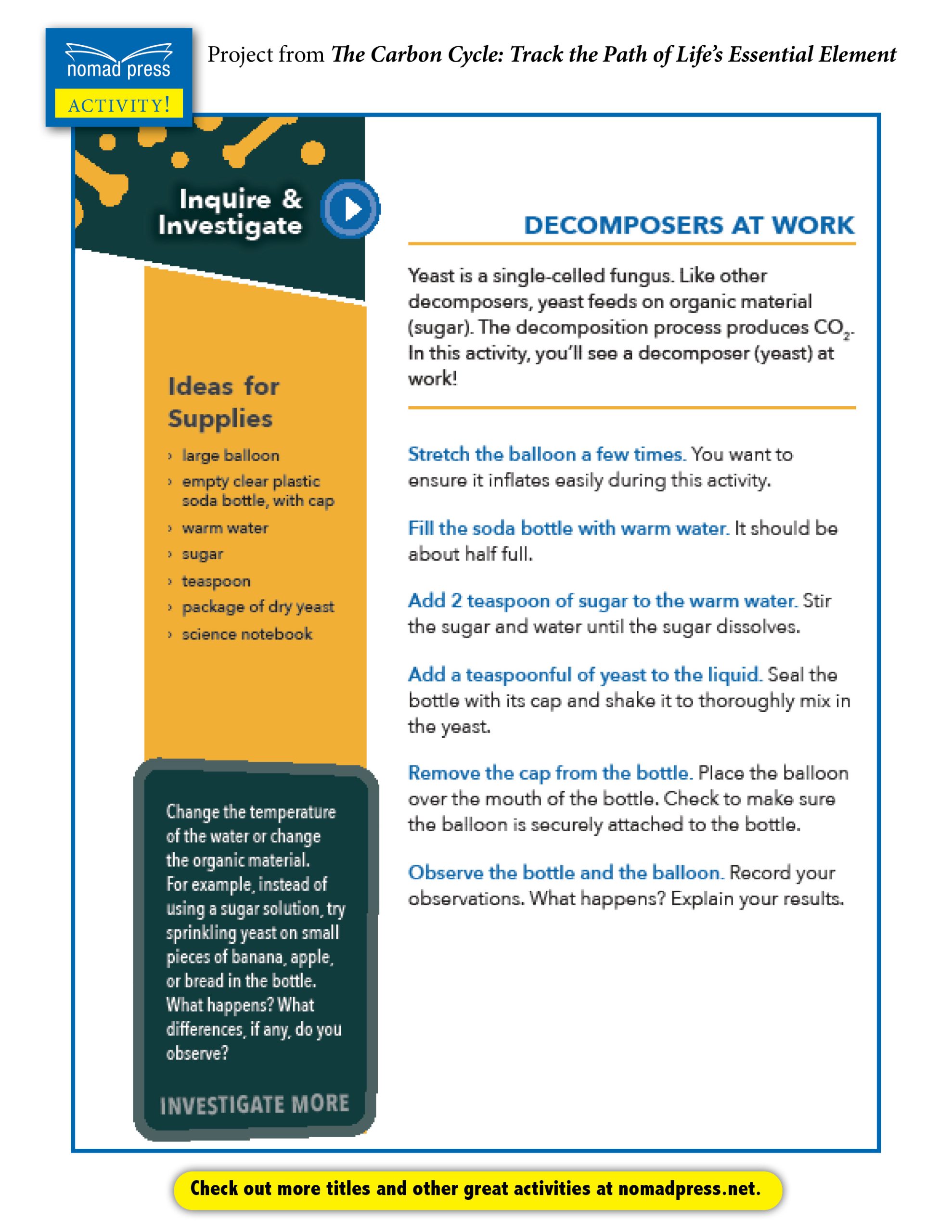
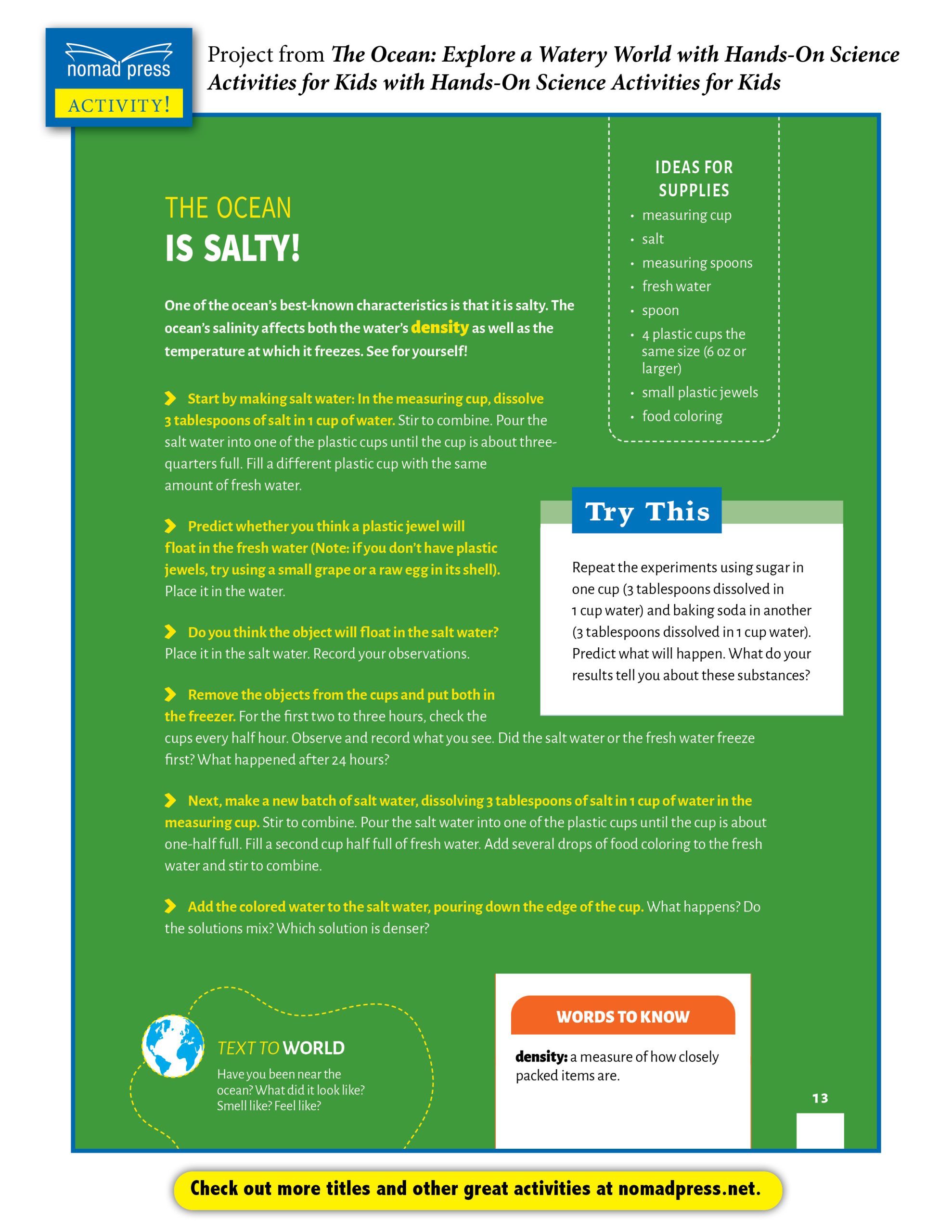
Try these hands-on STEM activities!
Available In:
Hardcover, $24.95
9781647411121 |
Paperback, $19.95
9781647411152 |
Includes: Table of Contents | Timeline | Maps | Glossary | Resources | Index | Metric Conversions Chart
Specs: 8 x 10 size | 4-color interior | 128 pages
TABLE OF CONTENTS
Timeline
Introduction: Seeds, Seeds, Everywhere!
Chapter One: First Farmers, First Crops
Chapter Two: Maize
Chapter Three: Wheat
Chapter Four: Rice
Chapter Five: Potatoes
Chapter 6: Endangered Seeds
Glossary
Metric Conversions
Resources
Essential Questions
Index