

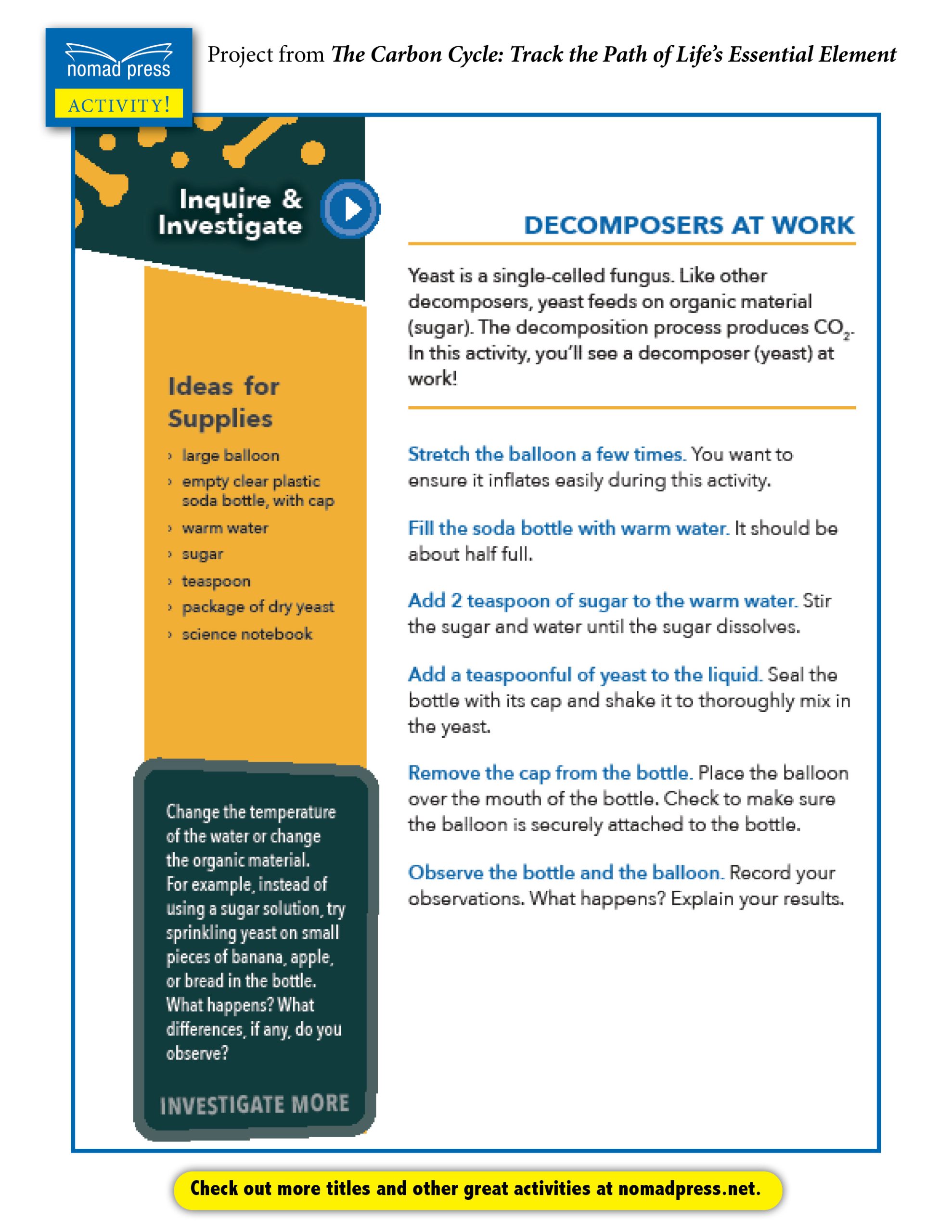
Decomposers at Work
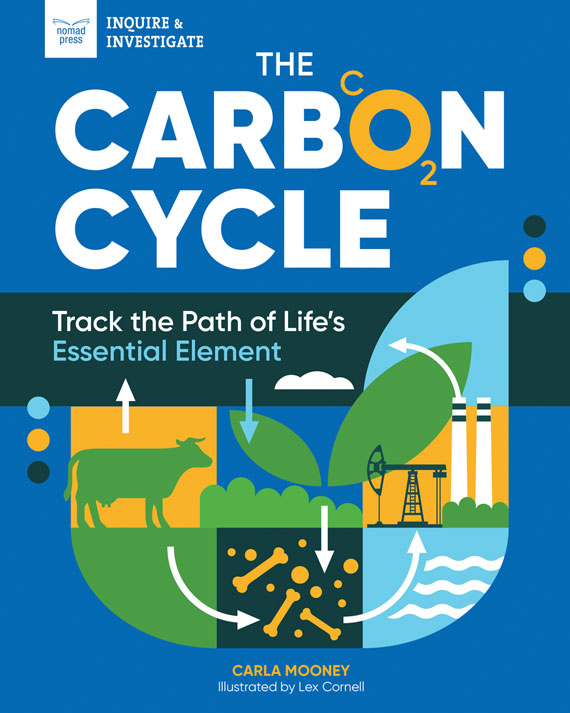
Featured in The Carbon Cycle
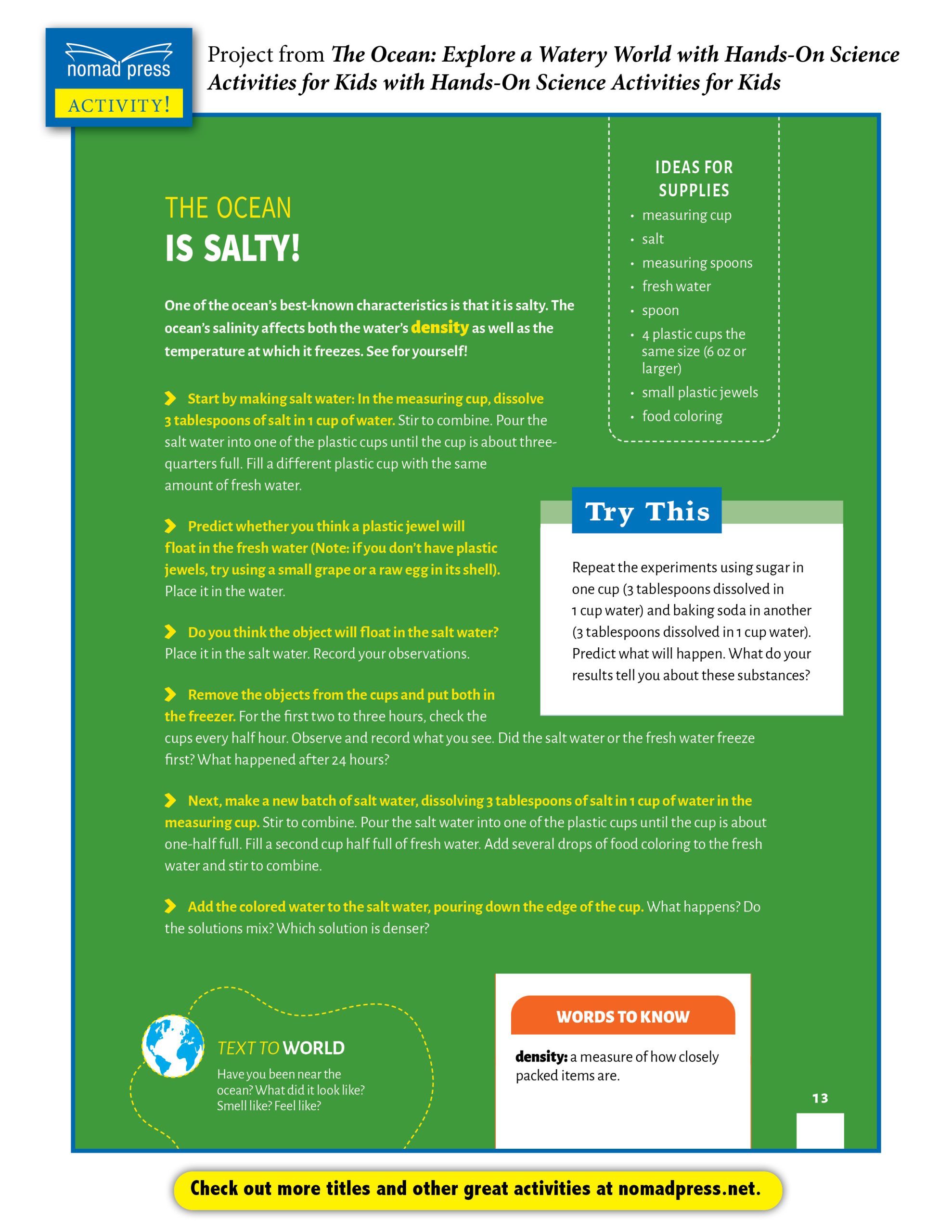
More Projects Like This



Reviews
Booklist
“With numerous vocabulary activities, discussion and journaling prompts, and alignment to Common Core State Standards and Next Generation Science Standards, this title offers strong support for classroom use.”
School Library Journal
"The writing is clear, with real-world examples that make the processes understandable, making it accessible to readers new to the topic as well as those looking to deepen their knowledge. A solid choice for middle school and early high school library collections supporting earth science and environmental research."
Praise for Engineering by Carla Mooney
Booklist
“The STEM offering successfully pulls ancient devices into the twenty-first century, reinforcing math and science concepts and standards while whetting inquiry and curiosity.”
School Library Journal
“A good textbook for classroom use, or as a resource for reports.”
Bookworm for Kids
"This is a nice addition to science classrooms, homeschoolers, or simply those, who want to know more about the world around them, especially when it comes to basic engineering."
Detailed Book Description
What element is found in all known forms of life? Carbon!
Scientists call carbon the chemical backbone of life on Earth. That’s because without carbon, there’d be no humans, animals, plants, microbes, or any other kind of life.
In The Carbon Cycle: Track the Path of Life’s Essential Element, young scientists explore how the first life forms that evolved on our planet consumed carbon and now, 4 billion years later, carbon is still the building block of all known forms of life.
Learn all about the carbon cycle and the human influence on that cycle through a compelling narrative, links to online resources, essential questions, text-to-world observations, hands-on STEM activities, and graphic-novel-style illustrations and photographs.
Additional materials include a glossary, a list of media for further learning, a selected bibliography, and index. All books are leveled for Guided Reading level and Lexile and align with Common Core State Standards and Next Generation Science Standards.
| Paperback, $19.95 9781647411558 |
Hardcover, $24.95 9781647411527 |
TABLE OF CONTENTS
Introduction: Earth’s Essential Element
Chapter 1: Carbon in Rocks
Chapter 2: Carbon in the Atmosphere
Chapter 3: Carbon in the Ocean
Chapter 4: Carbon in the Terrestrial Biosphere
Chapter 5: Human Actions and the Carbon Cycle
Glossary
Metric Conversions
Resources
Select Bibliography
Essential Questions
Index